




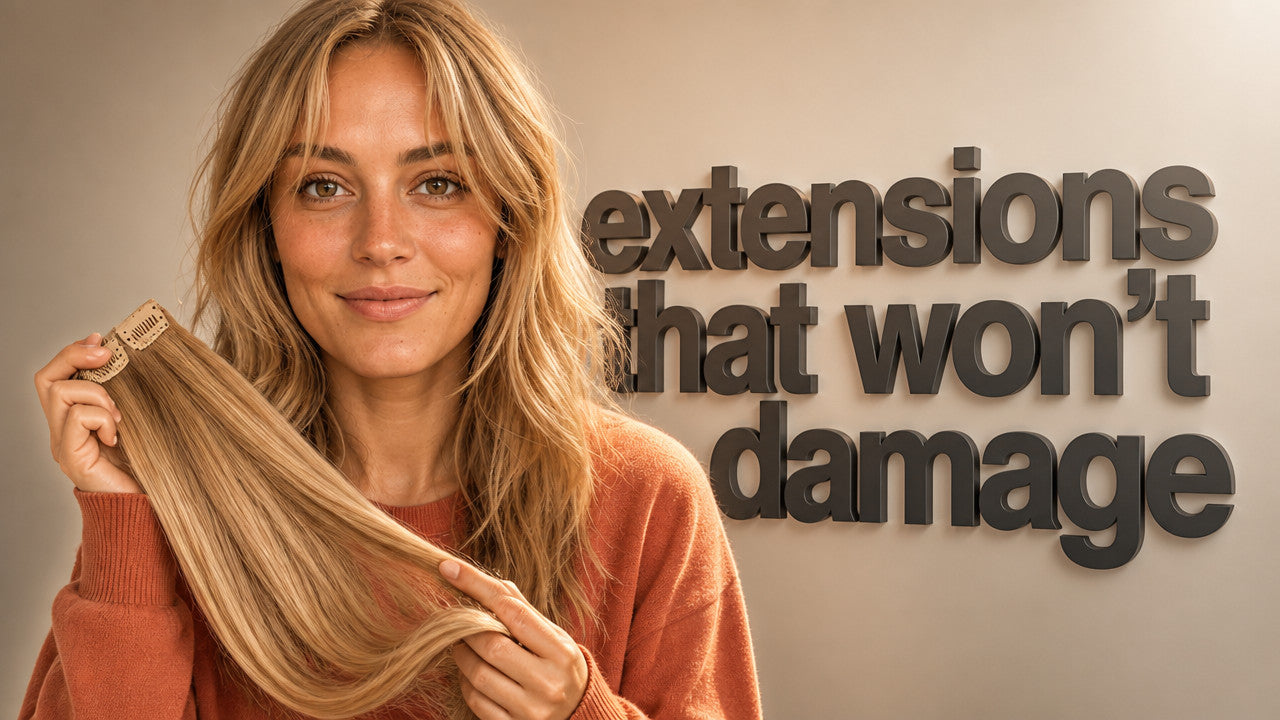
Fine hair presents unique challenges when selecting extensions weight, attachment stress, and seamless blending determine success or disappointment. Unlike thick hair that can hide bulky wefts, delicate strands require lightweight, strategically-designed pieces that add volume without causing breakage. The best extensions for fine hair distribute weight evenly, blend invisibly at the roots, and enhance thickness instantly. This comprehensive comparison reveals exactly which extension types deliver salon-worthy results for women with thinning or fine hair, backed by measurable metrics that matter in 2026.
Quick Answer: Which Extensions Win for Fine Hair in 2026
Fine hair demands extensions that prioritize weight distribution and gentle attachment over raw volume. The wrong choice leads to visible tracks, traction alopecia, and an unnatural appearance that ruins confidence rather than building it.
Women with fine hair need solutions that add fullness without dragging down fragile strands. Modern extension technology has evolved significantly, with JuvaBun leading innovations specifically engineered for thinning hair solutions that women can trust.
| Extension Type | Weight (per piece) | Attachment Method | Suitability Score |
|---|---|---|---|
| Clip-In Extensions | 15-30 grams | Pressure clips | 9/10 |
| Messy Bun Pieces | 20-40 grams | Drawstring/comb | 10/10 |
| Ponytail Extensions | 25-50 grams | Wrap-around velcro | 9/10 |
| Tape-In Extensions | 2-4 grams per weft | Adhesive bonds | 6/10 |
| Fusion/Bonded | 0.5-1 gram per strand | Keratin bonds | 4/10 |
Clip-in extensions and bun pieces consistently outperform bonded alternatives for fine hair because they distribute pressure across wider surface areas rather than concentrating weight at individual anchor points. JuvaBun's signature messy bunextensions weigh just 25-35 grams while delivering the visual density equivalent to doubling natural hair thickness.
Why Fine Hair Demands Different Extension Standards
Fine hair isn't simply "less hair" it's structurally different from medium or coarse textures. The average fine hair shaft measures just 50-70 microns in diameter, compared to 80-100 microns for medium hair and over 100 microns for coarse strands. This reduced diameter means each individual strand bears less weight before reaching its breaking point.
When extension manufacturers design products for the mass market, they often optimize for medium-to-thick hair that can support heavier wefts without consequences. Women with fine hair who use these standard products experience unnecessary strain that accelerates breakage and shedding.
- Reduced cuticle layers Fine hair typically has 4-5 cuticle layers versus 7-10+ for coarse hair, making it more vulnerable to friction damage during extension attachment and removal.
- Lower tensile strength Each strand requires less force to snap, meaning concentrated weight from extension bonds creates breakage points along the shaft.
- Higher scalp visibility Thinner density means extension wefts, clips, and attachment points show through more easily without strategic placement.
- Oil transfer rates Fine hair becomes oily faster because sebum travels down shorter paths, affecting how extension pieces blend with natural texture.
- Elasticity limitations Fine hair stretches less before breaking, so extensions that pull during movement cause progressive damage over time.
Understanding these characteristics transforms how women select extensions. Professional stylists recommend proper care for human hair extensions specifically formulated for fine hair textures, as generic maintenance routines can accelerate wear.
Fine hair has approximately 30% less internal protein structure than coarse hair, which directly impacts how much weight each strand can support before the cuticle lifts and breakage occurs along the stress point.
Clip-In Extensions vs Tape-In: The Weight Distribution Battle
The debate between clip-in and tape-in extensions centers on one critical factor for fine hair: how weight distributes across the scalp. Both systems have merit, but their mechanics create dramatically different outcomes for women with delicate strands.
Clip-in extensions use pressure clips that attach to small sections of natural hair. Quality clip-ins like JuvaBun's designs feature silicone-lined clips that grip without slipping while distributing pressure across a wider surface area. A standard clip-in weft weighing 20 grams might use 3-4 clips, meaning each attachment point bears just 5-7 grams.
Tape-in extensions take a different approach with adhesive bonds sandwiching natural hair between two weft pieces. While individual tape wefts weigh only 2-4 grams, installation requires 20-40 wefts for full-head coverage. The cumulative weight plus the adhesive's direct contact with natural hair creates traction stress that compounds with each growth cycle.
| Metric | Clip-In Extensions | Tape-In Extensions |
|---|---|---|
| Weight per attachment | 5-7 grams per clip | 2-4 grams per weft |
| Removal process | Unclip in seconds | Requires adhesive solvent |
| Reusability factor | 100% reusable | Limited reapplication |
| Daily flexibility | Remove nightly | Worn continuously |
| Breakage risk level | Low with proper placement | Medium during removal |
For fine hair specifically, clip-in extensions offer superior control. Women can remove them before sleeping, eliminating the friction and tangling that stresses delicate strands overnight. JuvaBun clip-ins feature hair weft versatility that allows strategic placement for maximum volume with minimum visibility.
Clinical trichology research indicates that continuous tension from permanent extension attachment methods contributes to traction alopecia in 24% of long-term users with fine or thinning hair textures.
Human Hair vs Synthetic: Which Material Protects Fine Strands Better
Material choice directly impacts how extensions interact with fine natural hair. Human hair extensions move, behave, and respond to styling identically to natural growth because they share the same protein structure. Synthetic alternatives use manufactured fibers that create friction against natural strands.
For women with fine hair, this friction matters enormously. Delicate cuticles already vulnerable to damage can become roughened by synthetic fiber contact, leading to tangling, matting, and eventual breakage. Human hair extensions glide alongside natural strands without creating abrasive contact.
- Heat styling compatibility Human hair extensions tolerate heat tools at the same temperatures as natural hair, while synthetic fibers can melt or deform above 180°F, creating permanent damage that makes pieces unwearable.
- Color matching precision Human hair accepts professional color services, enabling exact matches to natural hair tones that synthetic fibers cannot achieve through standard manufacturing.
- Longevity metrics Quality human hair extensions last 12-24 months with proper maintenance versus 2-4 months for synthetic alternatives that accumulate irreversible damage.
- Movement authenticity Human hair responds to wind, humidity, and movement naturally, while synthetic pieces maintain rigid artificial patterns that reveal their presence.
- Blending capability Human hair can be curled, waved, or straightened to match natural texture, eliminating the telltale texture mismatch fine hair cannot hide.
- Weight consistency Human hair pieces maintain consistent weight throughout their lifespan, while synthetic fibers absorb environmental moisture and become heavier over time.
Evidence consistently supports human hair as the superior choice for fine hair applications. The initial investment delivers returns through longer wear, better blending, and protection of natural hair integrity. Leading stylists and why celebrities choose human hair extensions for their most demanding red carpet appearances.
How to Apply Extensions Without Stressing Fragile Hair
Application technique determines whether extensions enhance or damage fine hair. Poor placement creates visible attachment points, uneven weight distribution, and tension that weakens already-delicate strands. Following proper sequencing protects hair health while maximizing extension performance.
JuvaBun extensions incorporate user-friendly attachment systems specifically designed for at-home application. Their clip-in pieces and bun extensions feature pressure-distributing mechanisms that secure without excessive grip strength.
- Prepare natural hair Wash and completely dry hair before application. Avoid heavy conditioners near the roots that might cause clips to slip. Gently detangle with a wide-tooth comb working from ends upward to minimize stress.
- Create a stable foundation Section hair horizontally starting at the nape. Use sectioning clips to isolate the top portion. Fine hair benefits from slightly teased roots at the attachment line to provide grip without requiring excessive clip tension.
- Position extension pieces strategically Place wefts where natural hair density provides coverage. Avoid attachment directly at the hairline or crown where fine hair is most visible. Space clips 1-2 inches apart to distribute weight evenly across the scalp.
- Secure without over-tightening Snap clips firmly but avoid excessive force. The clip should feel secure without pulling. If tension seems too high, reposition slightly rather than forcing attachment in an uncomfortable position.
- Blend natural hair over attachments Release previously sectioned hair and allow it to fall over extension wefts. Use a gentle styling brush to integrate natural and added hair without disturbing the attachment points.
- Check comfort and security Move head through normal range of motion. Extensions should feel weightless without shifting. Any pulling or pressure indicates repositioning is needed before continuing with styling.
Women seeking detailed guidance on ponytail-specific techniques can explore DIY ponytail extension techniques for step-by-step tutorials developed for fine hair applications.
Messy Buns and Ponytail Extensions: The Fine Hair Game-Changers
Updo extensions represent the most elegant solution for fine hair challenges. Rather than requiring multiple attachment points across the scalp, bun and ponytail pieces anchor at a single location, concentrating volume enhancement exactly where women want it most.
Traditional extension methods attempt to add overall density by distributing wefts throughout the head. For fine hair, this approach often delivers disappointing results because natural hair cannot adequately conceal the attachment infrastructure. Messy bun extensions flip this paradigm entirely.
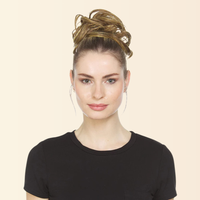
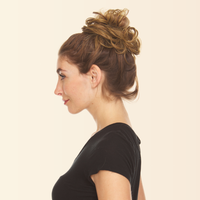
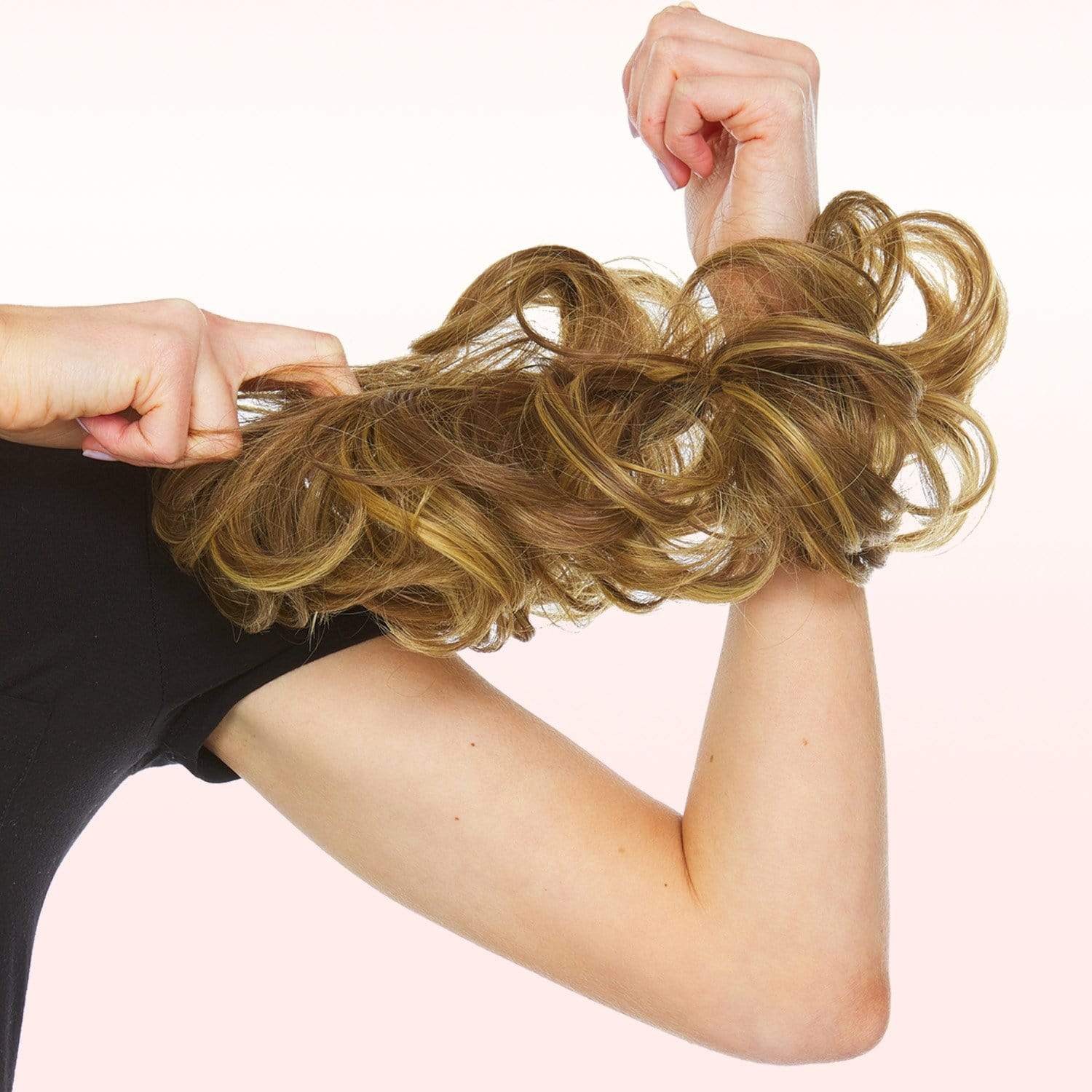
JuvaBun's messy bun pieces attach via discreet drawstrings and combs that hide beneath the bun itself. The design creates instant volume that looks completely natural because the attachment mechanism stays concealed within the style. Women with fine hair can achieve full, voluminous buns that would require 30-45 minutes of teasing and product buildup with natural hair alone.
The math proves compelling. A JuvaBun messy bun extension weighing 30 grams delivers the visual impact of what would require approximately 150-200 grams of natural hair in a teased bun style. This 5x efficiency ratio explains why busy professionals and parents increasingly choose updo extensions over traditional expansion methods.
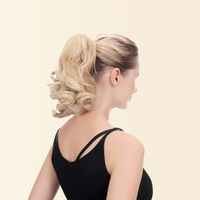
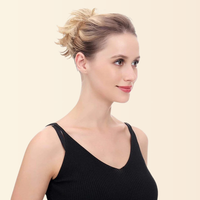
Ponytail extensions operate on similar principles. Women can creating your own ponytail extension looks that transform thin, wispy tails into thick, swinging statement styles. The attachment wraps around the natural ponytail base, instantly doubling or tripling visible volume without any permanent commitment.
For fine hair specifically, these concentrated-volume pieces eliminate the blending challenges that plague full-head weft applications. The style itself provides coverage, meaning fine natural hair only needs sufficient length to anchor the piece securely.
Volume Metrics That Matter: Measuring Extension Success
Quantifying extension performance helps women make objective purchasing decisions rather than relying solely on marketing claims. Specific metrics reveal whether a product genuinely addresses fine hair concerns or merely creates the illusion of suitability.
Modern extension evaluation focuses on measurable outcomes that matter for daily wearability. Women investing in volume solutions deserve clear data that predicts real-world performance.
- Strand count increase percentage Quality extensions for fine hair should deliver visible density increases of 40-100% without requiring multiple overlapping pieces that add excessive weight.
- Coverage surface area Extension pieces should adequately address the intended styling area. Ponytail extensions need sufficient circumference to create natural-looking volume at all viewing angles.
- Attachment visibility rating When properly applied, no attachment mechanism should be visible from any angle at conversational distance. Visible clips or bonds indicate either poor placement or inappropriate extension selection.
- Comfort duration threshold Quality extensions remain comfortable for 8-12 hours of continuous wear without causing headaches, scalp tension, or the urge to remove them prematurely.
Objective measurement transforms extension shopping from guesswork into informed decision-making. Women experiencing thinning can access proven solutions for thinning hair that address their specific concerns with documented performance data.
Key Takeaways: Choosing Your Perfect Fine Hair Extensions
Selecting extensions for fine hair requires balancing volume desires against hair health realities. The right choice enhances confidence without compromising natural hair integrity. These fundamental principles guide successful selection in 2026.
- Weight distribution outweighs raw volume Extensions that spread attachment pressure across multiple points or wider surface areas protect fine hair from concentrated stress that causes breakage.
- Removable systems outperform permanent bonds Clip-in and updo extensions allow nightly removal that eliminates 8 hours of friction and tension that permanent methods create during sleep.
- Human hair proves worth the investment Superior blending, heat styling compatibility, and 12-24 month lifespan deliver better value than replacing synthetic pieces every 2-4 months.
- Updo extensions solve fine hair's biggest challenge Messy buns and ponytail pieces provide maximum volume exactly where women want it while hiding attachment mechanisms within the style itself.
- Proper application technique is non-negotiable Correct placement, adequate sectioning, and gentle securing methods prevent the traction damage that causes progressive thinning over time.
Busy professionals benefit most from JuvaBun's quick-attachment designs that transform morning routines from 45-minute styling sessions into 5-minute confidence boosts. The combination of lightweight construction, natural human hair quality, and intuitive application makes these pieces ideal for women balancing demanding schedules with appearance standards.
Long-term success requires committing to maintaining your human hair extensions with appropriate products and handling techniques that preserve both the extensions and the natural hair supporting them.
Frequently Asked Questions About Extensions for Fine Hair
Will extensions damage my already fine hair?
No, when selected and applied correctly. Extensions specifically designed for fine hair distribute weight evenly and allow nightly removal that eliminates continuous tension. The key is choosing lightweight pieces under 30 grams per attachment and avoiding permanent bonded methods that create concentrated stress points at individual strands.
How long can I wear clip-in extensions daily?
8-12 hours represents the comfort threshold. Most women can wear properly-fitted clip-ins throughout a full workday without discomfort or scalp fatigue. The advantage of clip-in systems lies in their removability taking them out nightly allows scalps to rest and natural hair to recover from any minor tension accumulated during wear.
Can I swim and exercise with extensions for fine hair?
Yes, with appropriate precautions and product selection. Chlorine and salt water can affect human hair extensions similarly to natural hair, requiring gentle cleansing afterward. For exercise, securing extensions in a low ponytail prevents tangling during movement. Many active women prefer removing clip-ins before vigorous activity and reapplying afterward to extend piece lifespan.
How do I match extension color to fine hair?
Match to mid-lengths rather than roots for fine hair. Fine hair often appears lighter at the roots due to natural oil distribution. Selecting extensions that match the middle section of hair shafts prevents the unnatural dark-line effect that reveals extension presence. Human hair extensions offer the advantage of professional custom coloring for exact matches.
What's the difference between thin hair and fine hair for extensions?
Different characteristics requiring different solutions. Fine hair refers to individual strand diameter (under 70 microns), while thin hair describes reduced density (fewer strands per square centimeter). Some women have fine-but-thick hair with many delicate strands, while others have coarse-but-thin hair with fewer thick strands. Extension selection must address both texture and density independently.
Are messy bun extensions obvious on fine hair?
No, they're often the most natural-looking option available. Unlike weft extensions that require natural hair to cover attachment points, messy bun pieces integrate the attachment directly into the style. The drawstring and combs hide beneath the bun volume itself, meaning fine hair only needs sufficient length to anchor the piece securely without any coverage responsibility.
Article created with love by hoox

Leave a comment
All comments are moderated before being published.
This site is protected by hCaptcha and the hCaptcha Privacy Policy and Terms of Service apply.