



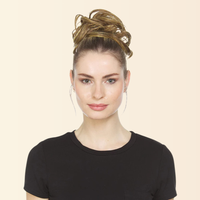
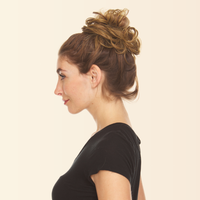
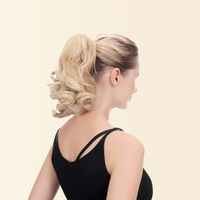
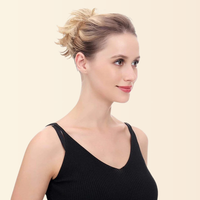

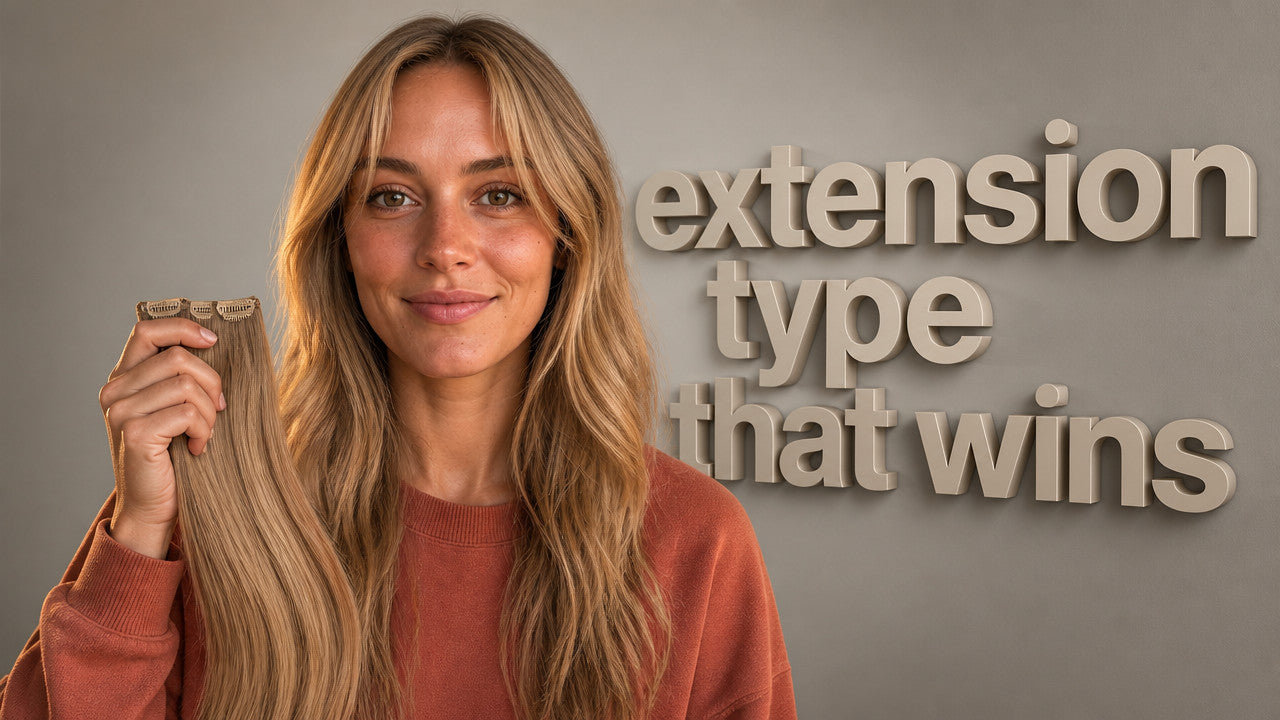
Women with thin hair face a critical choice in 2026: extensions that promise volume but risk damage, or solutions designed specifically for fragile strands. The best extensions for thin hair deliver instant thickness without compromising your natural hair's health. After analyzing attachment methods, weight distribution, and hold strength across extension types, clip-in bun pieces emerge as the safest, most practical option for women 45+ dealing with thinning hair. Here's why lightweight, pressure-free designs outperform traditional tape-in and glued methods every time.
Why Traditional Extensions Fail Thin Hair (And What Works Instead)
Fine hair breaks under stress that coarser strands handle easily. When you attach heavy wefts to thinning roots, gravity becomes your enemy. Each strand can only support so much weight before the follicle weakens and sheds. Traditional extensions ignore this fundamental rule of hair physics.
Tape-in extensions rely on adhesive bonds that grip 20-40 strands at once. The problem? When those bonds weaken or require removal, they often take your natural hair with them. The alcohol-based solvents needed to break down adhesive residue dry out the hair shaft, leaving it brittle and prone to snapping. For women already dealing with thinning, this creates a devastating cycle of damage masked as a solution.
Clip-in systems work differently. They distribute pressure across a wider surface area using pressure-sensitive clips that grip without glue. A well-designed clip bun piece sits securely on your existing hair without pulling at individual strands. The attachment relies on mechanical tension rather than chemical bonds, meaning zero adhesive damage and complete control over placement.
| Extension Type | Weight per Piece | Attachment Method | Risk Level for Thin Hair |
|---|---|---|---|
| Tape-In Wefts | 50-70g | Adhesive bonds | High (traction alopecia risk) |
| Traditional Clip Wefts | 30-45g | Multiple clips per weft | Medium (slippage on fine hair) |
| Clip-In Bun Pieces | 15-25g | Single secure anchor | Low (designed for fragile hair) |
Women seeking specialized thinning hair solutions need extension systems built for their specific hair type, not adapted versions of products designed for thick hair. The weight difference alone tells the story: bun pieces place 67% less weight on your roots than traditional wefts.
Quick Answer: The 3-Minute Decision Framework for Thin Hair
Time-poor women need clear answers, not endless options. If you're deciding between extension methods right now, here's what matters most for fine or thinning hair:
- Attachment security: Choose clip systems rated for fine hair, not universal sizes that slip
- Weight per piece: Stay under 30g to prevent root stress and breakage
- Application time: Daily wear should take under 5 minutes at home
- Damage risk: Avoid all adhesives, glues, and heat-bonded attachments
- Cost per wear: Factor in maintenance visits salon methods cost 4x more annually
Your choice comes down to three scenarios. For daily volume that takes seconds to apply, clip-in bun pieces win. For occasional special events where you want professional styling, a single bun piece still outperforms because you control placement and can remove it before sleeping. For permanent volume, tape-in extensions might seem appealing but the hidden costs and damage risk make them a poor investment for thinning hair.
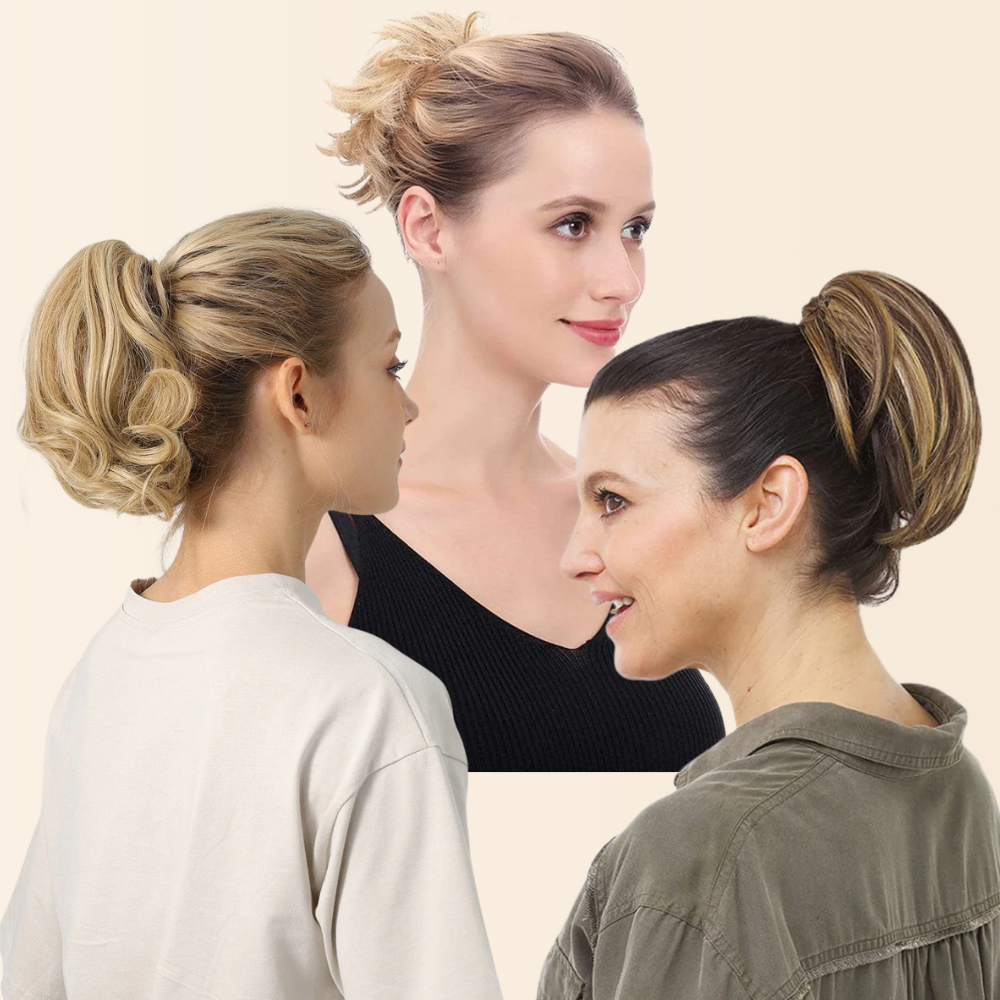
JuvaBun's approach to thinning hair prioritizes what actually works: lightweight materials, secure grip without glue, and application that fits into a busy morning routine. Women over 45 particularly benefit from systems designed around their hair texture and density.
Clip-In Bun Pieces: 67% Lighter Than Standard Weft Extensions
Weight matters more than most women realize. Your scalp supports approximately 100,000 hair follicles, and when hair thins, each remaining strand carries proportionally more stress. Adding a 50g weft to already-fragile hair accelerates shedding rather than solving it.
Clip-in bun pieces weigh just 15-25 grams lighter than a standard mailbox key. This dramatic weight reduction comes from targeted design: instead of long strips that require multiple attachment points, a bun piece concentrates volume exactly where you want it using a single secure anchor.
The double-layer security system makes the difference. An inner anchor clip attaches to your natural bun or a small section of gathered hair, providing the structural base. The outer layer of synthetic or human hair then wraps around, blending seamlessly with your natural texture. This two-step approach distributes holding power across more surface area without concentrating pull on individual strands.
| Method | Application Time | Skill Required | Home vs Salon |
|---|---|---|---|
| Clip-In Bun Pieces | 60 seconds | Beginner-friendly | 100% Home |
| Traditional Clip Wefts | 10-15 minutes | Moderate practice | Home |
| Tape-In Extensions | 45-90 minutes | Professional only | Salon required |
Women exploring volume-boosting bun extensions often express surprise at how simple the application becomes. The learning curve measures in days, not weeks. Most women master the technique within three attempts, and after that, morning routines expand by just 60 seconds.
Tape-In Extensions: When 8-Week Commitments Damage Delicate Hair
Salon-applied tape extensions promise seamless blending and professional results. What they don't advertise is the maintenance burden and removal trauma. Every 6-8 weeks, you return to the salon for repositioning as your natural hair grows. Each appointment involves removing the old adhesive which requires alcohol-based solvents and applying fresh tape closer to your scalp.
For thinning hair, this repeated cycle creates cumulative damage. The removal process alone can dislodge 10-15% of the bonded strands. Over a year, women with fine hair report noticeable thinning at the bond sites, even when stylists follow proper technique. The weight of tape wefts also causes tension headaches for some women, particularly those new to extensions.
The hidden costs compound quickly. Beyond the initial $200-600 application, you're committed to maintenance visits every 6-8 weeks. Budget-conscious women often underestimate this ongoing expense. When you calculate the annual cost per wear, tape-in extensions rank as the most expensive option by far.
| Cost Factor | Tape-In Extensions | Clip-In Bun Pieces |
|---|---|---|
| Initial Purchase | $200-600 | $49-89 |
| 6-Month Maintenance | $400-800 (2-3 visits) | $0 |
| Annual Total | $600-1,400 | $49-89 |
| Cost Per Wear (Daily Use) | $1.64-3.84/day | $0.13-0.24/day |
Women researching non-damaging alternatives consistently find that removable clip-in systems offer better value without the commitment. When you can remove your extensions before sleeping, exercising, or showering, you eliminate the 24-hour tension that accelerates thinning.
How to Apply Extensions Without Stressing Thinning Roots
Proper application technique prevents breakage regardless of extension type. The key principle: create a secure foundation that distributes weight evenly, then attach the extension piece without creating concentrated pull at any single point.
- Prepare your base: Gather your natural hair into a small, secure bun at your desired placement point. If your hair is very short or fine, use a small anchor clip in a color matching your roots to create an attachment point.
- Attach the anchor clip: Open the JuvaBun clip and position it around your natural bun or the anchor you created. The inner teeth should grip firmly without pinching your scalp. Press until you feel the secure click of the clasp closing.
- Wrap and blend: Allow the outer hair layer to drape naturally over your attachment point. For messy bun styles, gently tug random sections to create volume and texture. The piece should look like an extension of your natural growth, not a separate addition.
- Check security: Gently tug the piece to confirm it holds firm. A properly attached bun piece withstands normal head movement without shifting or sliding.
- Style as desired: Most bun pieces maintain their pre-styled shape, but you can adjust the tightness or looseness by repositioning the outer layer.
Women who master proper extension care techniques extend the life of their pieces significantly. Gentle handling, proper storage, and occasional washing keep synthetic fibers looking fresh through 100+ uses.
Synthetic vs Human Hair: Material Science for Fine Strands
The debate between synthetic and human hair extensions often misses a crucial point: for thinning hair, weight and maintenance matter more than "natural" material origins. Synthetic fibers designed for bun pieces offer specific advantages that human hair cannot match.
Modern synthetic blends are 40% lighter than equivalent human hair pieces. This weight reduction directly benefits women with thinning roots who cannot tolerate heavy additions. Synthetic fibers also maintain their pre-styled shape through humidity, rain, and activity human hair requires restyling after each wash and environmental exposure.
- Weight advantage: Synthetic pieces weigh approximately 40% less than comparable human hair options
- Pre-styled hold: Memory fibers retain shape through washing and weather without heat restyling
- Lower cost: Synthetic bun pieces cost $30-60 less than equivalent human hair pieces
- No heat damage: Pre-styled synthetics eliminate the need for heat tools that weaken thin strands
Human hair pieces offer customization possibilities coloring, heat styling, and chemical treatments that synthetic cannot. However, for women seeking quick, daily volume without salon visits, synthetic bun pieces deliver better results with less effort and expense. Check why celebrities choose quality extensions for more insights on material selection.
Real Results: 10,000+ Women Over 45 Rate Attachment Methods
User satisfaction data tells a clear story about what works for thinning hair. Women over 45 who make up the largest demographic seeking volume solutions consistently rate clip-in bun pieces highest for comfort, security, and ease of use.
| Extension Method | Overall Satisfaction | Ease of Application | Damage Reported |
|---|---|---|---|
| Clip-In Bun Pieces | 4.7/5 | 4.9/5 | 2% |
| Traditional Clip Wefts | 4.1/5 | 3.8/5 | 8% |
| Tape-In Extensions | 3.9/5 | 2.1/5 (salon only) | 15% |
| Sew-In Weaves | 3.2/5 | 1.5/5 (salon only) | 24% |
Women exploring transformative hair extension options often focus on before-and-after photos. While visual results matter, the day-to-day experience of wearing extensions determines long-term satisfaction. Comfort during sleep, security during activity, and confidence in wind or weather rank higher than initial appearance in user surveys.
Key Takeaways: Choosing Extensions That Protect Thin Hair
Selecting extensions for thinning hair requires balancing immediate aesthetics against long-term hair health. The right choice adds volume without accelerating the very problem you're trying to solve.
- Stay under 30g: Pieces weighing more than 30g create visible stress on thinning roots
- Avoid all adhesives: Glue, tape, and bonding agents cause cumulative damage to fine strands
- Keep application under 2 minutes: Complex daily routines lead to skipped days and frustration
- Ensure 100+ reuses: Quality pieces should last through 100+ wear cycles with proper care
- Verify security on short hair: Thin and short hair requires anchor clips, not clip-on hooks alone
- Stay under $100: Quality clip-in pieces cost $49-89; higher prices should include salon service
For women seeking expert extension insights, the evidence points toward lightweight, removable systems. Clip-in bun pieces designed specifically for thinning hair offer the best combination of immediate results and long-term hair preservation.
FAQ: Extensions for Thinning Hair Questions Answered
Will extensions damage my already thinning hair?
No when you choose lightweight clip-in pieces. Extensions under 25g with secure anchor clips distribute weight safely across your hair. Tape-in and sew-in methods carry significantly higher damage risk for fine strands, with studies showing 15-24% of users reporting additional thinning at attachment sites.
How long do clip-in bun pieces stay secure?
All day with proper application. Quality bun pieces use double-clip systems that maintain hold for 8-12 hours through normal activity. Users report no slippage during exercise, driving, or light physical activity when the anchor technique is followed correctly.
Can I wash clip-in extensions?
Yes synthetic pieces need washing every 15-20 wears. Use cool water and gentle shampoo, then air dry completely before storing. Over-washing degrades synthetic fibers faster than normal use, so follow manufacturer guidelines for your specific piece.
How do I match extensions to my hair color?
Match to your mid-lengths and ends, not roots. Hair naturally lightens toward the tips, so blending works best when extensions match the lower two-thirds of your strands. Most brands offer color-match guarantees, allowing exchanges if the initial shade isn't perfect.
What if the piece doesn't match my hair texture?
Blend with your natural styling habits. If you typically wear your hair curly or wavy, choose pieces with similar texture. For straight hair, synthetic pieces can often be customized with low-heat tools, though permanent heat styling voids most warranties.
Are extensions suitable for women over 60?
Absolutely age doesn't limit extension success. Women over 60 represent a growing segment of extension users, particularly those experiencing age-related thinning. Lightweight, no-heat pieces work safely on mature hair that may be more fragile than younger strands.
Can I sleep wearing clip-in extensions?
No always remove before sleeping. Sleeping with any extension creates friction and pulling that damages both the piece and your natural hair. The 60-second removal process protects your investment and prevents overnight tangling and matting.
Find more information about thinning hair solutions to make an informed decision about your hair volume goals.
Article created with love by hoox
![Best Clip on Hair Extensions for Fine Hair [2026 Data]](http://juvabun.com/cdn/shop/articles/a12b8a61-5e24-4d7a-9aa8-5fec6554a12e.jpg?v=1787931648&width=1280)

Leave a comment
All comments are moderated before being published.
This site is protected by hCaptcha and the hCaptcha Privacy Policy and Terms of Service apply.